Restore Function and Finish to Worn Kitchen Surfaces
Cabinet Painting in Burlington, Massachusetts for kitchens with faded, chipped, or outdated wood finishes
Proper Paint Co provides cabinet painting services that address the common frustration of cabinets that look tired but remain structurally sound. You open your kitchen drawers every morning and close cabinet doors that have taken years of fingerprints, grease spatter, and cleaning product residue. The wood may still be solid, but the finish tells a different story. Cabinet painting targets this disconnect, bringing a clean, updated appearance to cabinetry that does not need full replacement. This service is designed for homeowners in Burlington, Massachusetts who want a functional kitchen to look as intentional as the day it was installed.
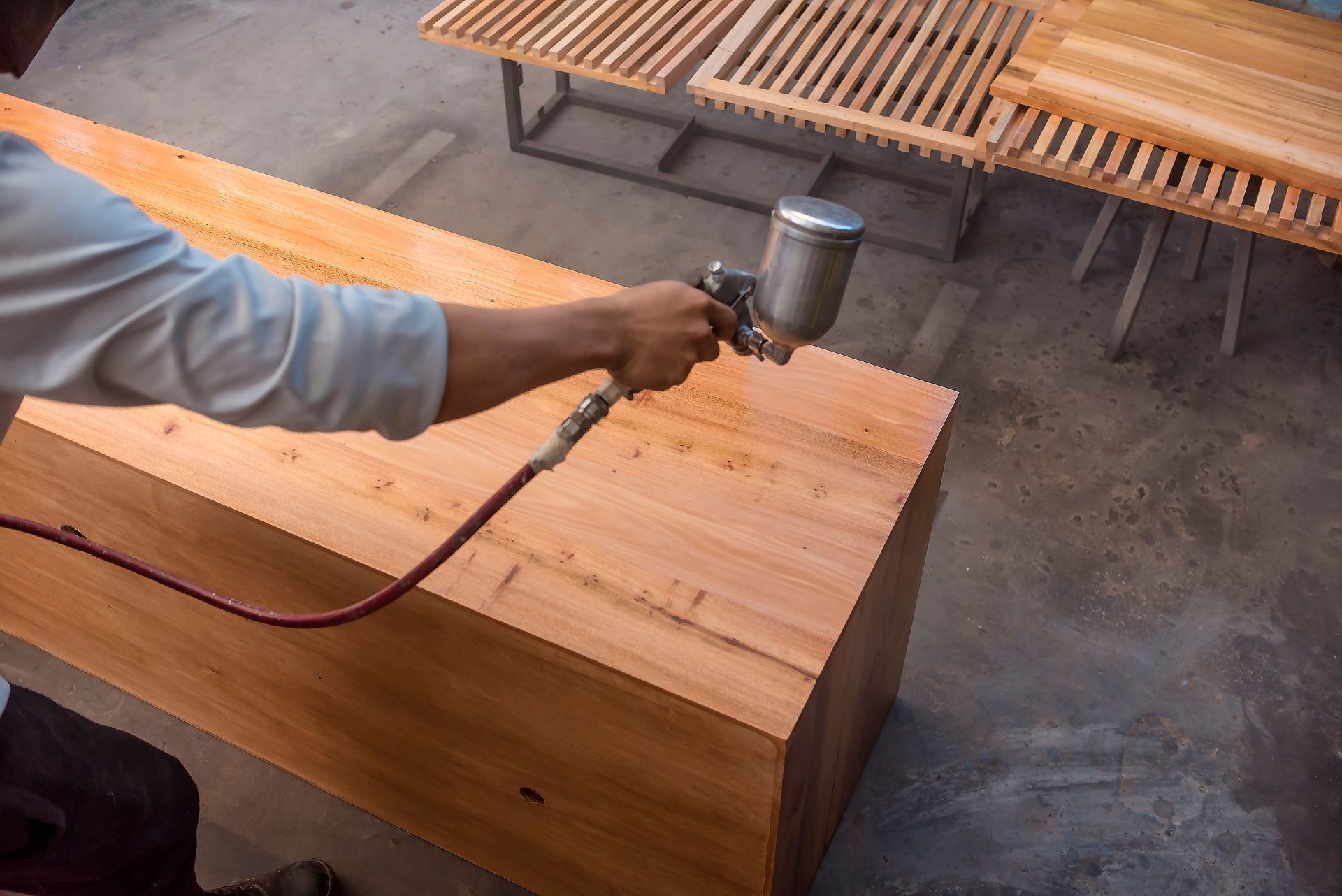
The work begins with a close evaluation of your existing cabinet boxes, door panels, and drawer fronts. Surface preparation drives the outcome. Grease, wax, and old topcoats must be removed before primer can bond properly. Doors and drawer fronts are labeled, removed, and brought to a controlled workspace where they can be sanded, primed, and coated without dust interference. Cabinet frames that remain in place are masked carefully to protect countertops, backsplashes, and appliances. Primer is applied to create a stable base, particularly on wood that has never been painted or has been stained and sealed with varnish.
If your cabinets feel like the weakest visual element in your kitchen, a consultation with Proper Paint Co can clarify what this process involves and whether your existing surfaces are good candidates for refinishing.
What You Should Know Before Starting This Work
Homeowners in Burlington often ask practical questions about timing, access, and what happens during the work itself. The answers below address the most common concerns that come up during planning.
What happens to the kitchen while doors are off-site?
You will still have access to the interior of your cabinets, but the fronts will be absent for several days while coatings cure in a controlled environment. Plan to limit cooking that produces heavy grease or steam during this window.
How long does the curing process take after the final coat?
Most modern cabinet paints reach handling strength within 24 hours, but full hardness develops over two weeks. You can use the cabinets gently right away, but avoid scrubbing or stacking heavy items against doors during the first few days.
Why does sanding matter if the cabinets will be covered with paint?
Sanding removes the existing finish's gloss and creates a rough surface that allows primer to grip. Without it, the new coating may lift or chip within months, especially around edges and handles.
When should hardware be replaced instead of reused?
If your hinges are bent, stripped, or causing doors to sag, replacement makes sense before painting. Proper Paint Co can reinstall your existing hardware or work with new pieces you provide, but the decision should be made before the doors are removed.
How does Burlington's humidity affect drying time?
Massachusetts experiences significant seasonal humidity variation. Summer months can extend drying time between coats, while winter heating can speed the process but may require humidification to prevent cracking in the workspace.
Proper Paint Co works with homeowners who want their cabinets to function as a long-term part of the home rather than a temporary fix. If you are weighing cabinet painting against replacement or living with the current condition, a direct conversation about your specific kitchen will provide the clearest guidance.
How Surface Preparation and Coating Sequence Affect Longevity
You will notice the difference between a rushed coating job and one that follows a deliberate sequence. Proper Paint Co removes hardware, sands each surface to remove gloss and create tooth for the primer, and cleans all dust before the first coat is applied. The type of primer used depends on whether your cabinets are raw wood, laminate, or previously finished with oil-based products. Adhesion matters more than color at this stage. A bonding primer prevents the topcoat from peeling when cabinet doors expand and contract with humidity shifts common in Massachusetts.
After priming, the topcoat is applied in thin, even layers. You will see a uniform finish without drips, roller texture, or brush marks if the application is done with proper tools and timing. Once the final coat cures, cabinet doors are reinstalled with the original or upgraded hardware. The result is a kitchen where the cabinets no longer draw attention for the wrong reasons. Handles turn smoothly, doors close flush, and the surface resists daily contact without showing immediate wear.
This process does not include structural repairs to broken hinges, warped panels, or water-damaged wood. If your cabinet boxes show rot or the door frames no longer align, those issues need correction before any coating work begins. Cabinet painting restores appearance and adds a protective layer, but it does not fix underlying construction problems.